Why Choose APAP for Your Sleep Therapy Needs?
Sleep is a vital component of our overall health and well-being. For those suffering from sleep apnea, finding the right therapy is crucial. One of the most effective treatments available today is the Automatic Positive Airway Pressure (APAP) device. In this blog post, we will explore the benefits of APAP therapy, how it works, and why it may be the best choice for your sleep therapy needs.
Understanding Sleep Apnea
Sleep apnea is a serious sleep disorder characterized by repeated interruptions in breathing during sleep. These interruptions can last from a few seconds to minutes and may occur dozens or even hundreds of times a night. The most common type is obstructive sleep apnea (OSA), which occurs when the throat muscles relax excessively during sleep, blocking the airway.
Symptoms of Sleep Apnea
Recognizing the symptoms of sleep apnea is the first step toward seeking treatment. Common symptoms include:
Loud snoring
Choking or gasping during sleep
Excessive daytime sleepiness
Morning headaches
Difficulty concentrating
Mood changes, such as irritability or depression
If you experience any of these symptoms, it is essential to consult a healthcare professional for evaluation and diagnosis.
What is APAP?
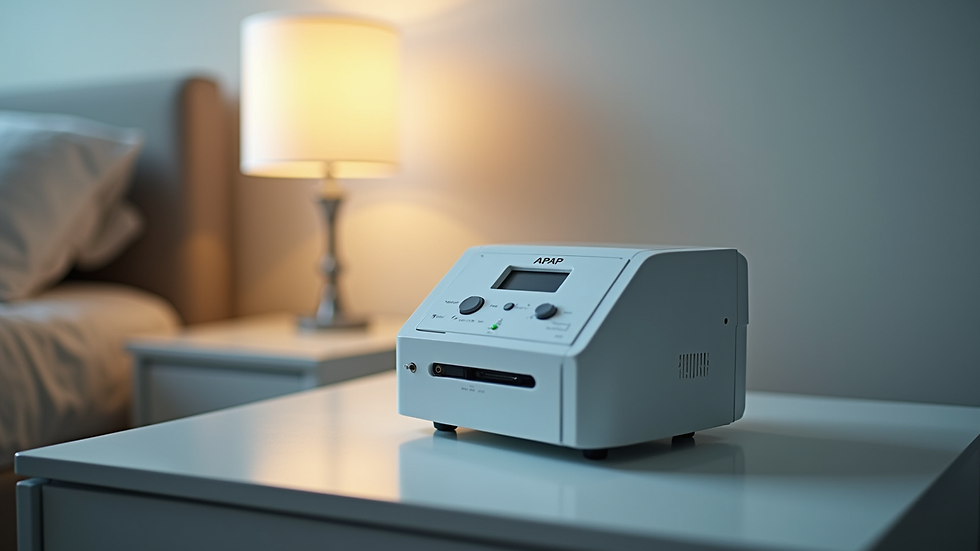
Automatic Positive Airway Pressure (APAP) is a type of continuous positive airway pressure (CPAP) therapy that automatically adjusts the pressure delivered to the patient based on their needs throughout the night. Unlike traditional CPAP machines, which provide a constant pressure, APAP devices can detect changes in airflow and adjust the pressure accordingly.
How APAP Works
APAP machines monitor your breathing patterns and adjust the air pressure in real-time. This means that if your airway becomes obstructed, the machine will increase the pressure to keep it open. Conversely, if your breathing stabilizes, the machine will reduce the pressure. This adaptability makes APAP therapy a comfortable and effective option for many patients.
Benefits of Choosing APAP
1. Personalized Treatment
One of the most significant advantages of APAP therapy is its ability to provide personalized treatment. Each person's airway is different, and APAP machines can adjust to individual needs. This customization can lead to better treatment outcomes and improved comfort during sleep.
2. Enhanced Comfort
Many patients find APAP therapy more comfortable than traditional CPAP therapy. The ability to adjust pressure levels means that users can experience less discomfort from high pressure during the night. This can lead to better adherence to therapy and improved sleep quality.
3. Reduced Side Effects
APAP therapy can help minimize side effects associated with CPAP therapy, such as nasal congestion, dry mouth, and discomfort from constant pressure. By adjusting the pressure as needed, APAP machines can reduce the likelihood of these issues.
4. Improved Sleep Quality
With the ability to adapt to your breathing patterns, APAP therapy can lead to improved sleep quality. Patients often report feeling more rested and alert during the day after using an APAP machine compared to other forms of therapy.
5. Easy to Use
APAP machines are designed for user-friendliness. Many models come with features such as built-in humidifiers, easy-to-read displays, and quiet operation, making them convenient for nightly use.
Who Can Benefit from APAP Therapy?
APAP therapy is suitable for a wide range of individuals, including:
Those diagnosed with obstructive sleep apnea
Patients who have difficulty tolerating CPAP therapy
Individuals with varying pressure needs throughout the night
Before starting APAP therapy, it is essential to consult with a healthcare provider to determine if it is the right option for you.
How to Get Started with APAP Therapy
Step 1: Consult a Healthcare Professional
The first step in starting APAP therapy is to consult with a healthcare professional. They will conduct a sleep study to diagnose sleep apnea and determine the appropriate treatment.
Step 2: Obtain a Prescription
Once diagnosed, your doctor will provide a prescription for an APAP machine. This prescription will specify the settings and pressure levels needed for effective treatment.
Step 3: Choose the Right APAP Machine
When selecting an APAP machine, consider factors such as:
Comfort features (e.g., humidifiers, heated tubing)
Noise level
Portability (if you travel frequently)
Ease of use and maintenance
Step 4: Regular Follow-Up
After starting APAP therapy, regular follow-up appointments with your healthcare provider are essential. They can monitor your progress, make necessary adjustments, and ensure that you are getting the most benefit from your therapy.
Common Misconceptions About APAP Therapy
Myth 1: APAP is Only for Severe Cases
Many people believe that APAP therapy is only necessary for severe cases of sleep apnea. In reality, it can be beneficial for individuals with mild to moderate sleep apnea as well.
Myth 2: APAP Machines are Bulky and Noisy
While older models of CPAP machines were often bulky and noisy, modern APAP machines are designed to be compact and quiet. Many users find them easy to incorporate into their nightly routine without disturbing their sleep.
Myth 3: APAP Therapy is Expensive
While the initial cost of an APAP machine may seem high, many insurance plans cover the cost of the device and supplies. Additionally, the long-term health benefits of improved sleep can outweigh the initial investment.
Lifestyle Changes to Complement APAP Therapy
While APAP therapy can significantly improve sleep quality, certain lifestyle changes can enhance its effectiveness:
Maintain a Healthy Weight: Excess weight can contribute to sleep apnea. Losing weight can reduce the severity of symptoms.
Avoid Alcohol and Sedatives: These substances can relax the throat muscles and worsen sleep apnea symptoms.
Sleep on Your Side: Sleeping on your back can exacerbate airway obstruction. Try sleeping on your side to improve airflow.
Establish a Sleep Routine: Going to bed and waking up at the same time each day can help regulate your sleep patterns.
Conclusion
Choosing APAP therapy for your sleep apnea needs can lead to significant improvements in your sleep quality and overall health. With its personalized treatment, enhanced comfort, and adaptability, APAP machines are a strong option for many individuals. If you suspect you have sleep apnea or are currently using CPAP therapy without success, consider discussing APAP therapy with your healthcare provider. Taking this step can lead you toward a more restful night’s sleep and a healthier life.


Comments