Understanding BiPAP: Benefits for Respiratory Wellness
Respiratory health is a crucial aspect of overall well-being, yet many individuals struggle with conditions that impair their ability to breathe comfortably. One effective solution that has gained popularity in recent years is the BiPAP machine. This device not only aids in breathing but also enhances the quality of life for those with respiratory issues. In this post, we will explore what BiPAP is, how it works, its benefits, and practical tips for using it effectively.
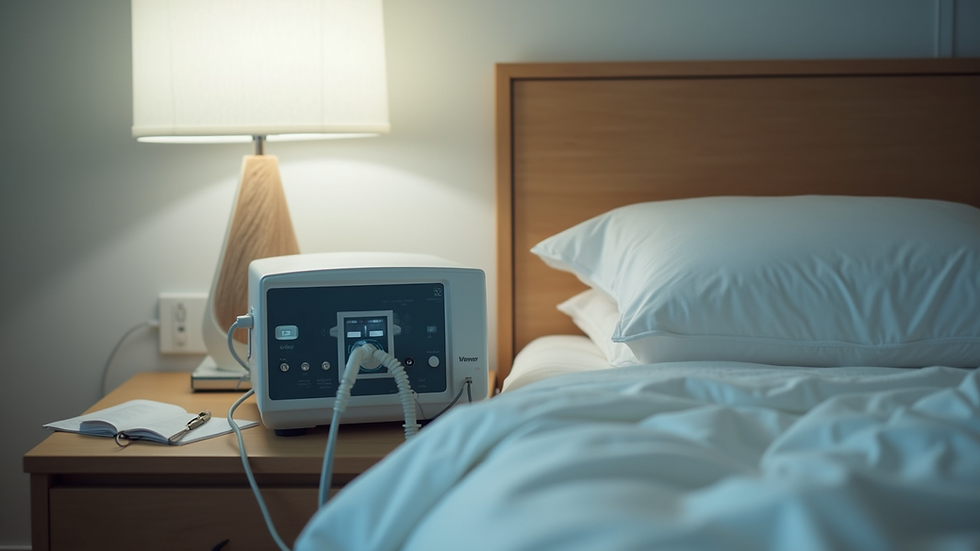
What is BiPAP?
BiPAP stands for Bilevel Positive Airway Pressure. It is a type of non-invasive ventilation that provides two levels of pressure: one for inhalation (IPAP) and a lower one for exhalation (EPAP). This dual pressure system makes it easier for patients to breathe, especially those with conditions like obstructive sleep apnea, chronic obstructive pulmonary disease (COPD), or other respiratory disorders.
How Does BiPAP Work?
The BiPAP machine uses a mask that fits over the nose or mouth, delivering pressurized air to keep the airways open. Here’s how it operates:
Inhalation Pressure (IPAP): When the patient inhales, the machine provides a higher pressure to assist in drawing air into the lungs.
Exhalation Pressure (EPAP): When the patient exhales, the machine reduces the pressure, making it easier to breathe out.
This mechanism helps to prevent airway collapse and improves oxygenation, which is vital for individuals with compromised respiratory function.
Benefits of Using BiPAP
Improved Breathing Comfort
One of the primary benefits of BiPAP is the enhanced comfort it provides during breathing. Unlike traditional CPAP machines that deliver a constant pressure, BiPAP's varying pressures allow for a more natural breathing pattern. This can significantly reduce the feeling of suffocation or discomfort that some patients experience with continuous pressure.
Better Sleep Quality
For individuals suffering from sleep apnea, BiPAP can lead to improved sleep quality. By keeping the airways open and preventing apneas (pauses in breathing), patients often experience deeper, more restorative sleep. This can result in increased daytime alertness and overall better health.
Enhanced Oxygenation
BiPAP therapy can improve oxygen levels in the blood, which is crucial for individuals with respiratory diseases. By ensuring that the lungs receive adequate air, BiPAP helps to prevent complications associated with low oxygen levels, such as fatigue, confusion, and even organ damage.
Versatility in Treatment
BiPAP machines are versatile and can be used for various conditions beyond sleep apnea. They are effective for patients with COPD, asthma, and other respiratory illnesses. This adaptability makes BiPAP a valuable tool in respiratory care.
Reduced Hospitalization Rates
Studies have shown that patients using BiPAP therapy experience fewer hospitalizations due to respiratory failure. This is particularly important for individuals with chronic respiratory conditions, as it can lead to a better quality of life and reduced healthcare costs.
Practical Tips for Using BiPAP
Choosing the Right Mask
Selecting the appropriate mask is crucial for effective BiPAP therapy. Masks come in various styles, including nasal masks, full-face masks, and nasal pillows. It’s essential to choose one that fits comfortably and securely to prevent air leaks.
Regular Maintenance
To ensure the BiPAP machine functions optimally, regular maintenance is necessary. This includes cleaning the mask, tubing, and humidifier (if applicable) according to the manufacturer’s instructions. Proper hygiene helps prevent infections and ensures the longevity of the device.
Gradual Adjustment
For new users, it may take time to adjust to BiPAP therapy. Starting with shorter sessions and gradually increasing the duration can help the patient become accustomed to the device. It’s also beneficial to use the machine during the day while awake to practice breathing with it.
Monitoring Comfort Levels
Patients should pay attention to their comfort levels while using BiPAP. If they experience discomfort, such as excessive pressure or skin irritation, they should consult their healthcare provider. Adjustments to pressure settings or mask types may be necessary.
Follow-Up Care
Regular follow-up appointments with healthcare providers are essential for monitoring the effectiveness of BiPAP therapy. These visits allow for adjustments to the treatment plan and ensure that the patient is receiving the best possible care.
Conclusion
BiPAP therapy offers significant benefits for individuals struggling with respiratory issues. From improving breathing comfort to enhancing sleep quality and reducing hospitalization rates, this device plays a vital role in respiratory wellness. By understanding how BiPAP works and following practical tips for its use, patients can take control of their respiratory health and enjoy a better quality of life. If you or a loved one is considering BiPAP therapy, consult with a healthcare professional to explore this effective treatment option.


Comments